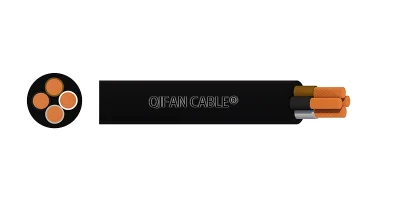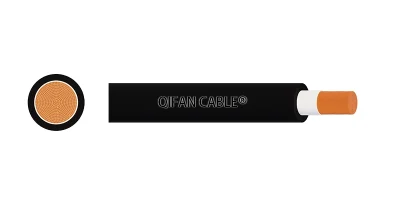
CU/XLPE/PVC 0.6/1kV CU/XLPE/CWB/PVC 0.6/1kV CU/XLPE/CTS/PVC 0.6/1kV
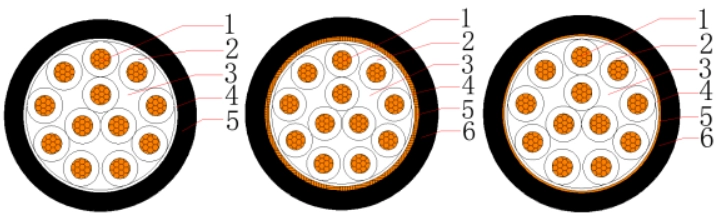
Multicore XLPE insulated PVC sheathed unscreened, opper wire braid screen, copper tape screen cable with copper conductor
Application:
This product is suitable for AC rated voltage 0.6/1kV and below the control, monitoring loop and protection line, widely used in industrial and mining enterprises, energy transportation.Communication department, as well as all kinds of electrical equipment, instrumentation connection.
Standard:
- Cable design: IEC 60502-1
- Conductor: IEC 60228
Products Construction
- Conductor – Plain annealed class 2 stranded (compacted) copper
- Insulation – Cross-linked polyethylene (XLPE)
- Filler – Non-hygroscopic material(If need)
- Binder tape – Non-hygroscopic material tape
- Screen – copper wire braid or capper tape
- Outer sheath – Polyvinyl chloride compound (PVC)
Cross Section:
- 2 cores and above:1.5~10mm2
Temperature characteristics:
- Conductor operating temperature: -15℃~90℃
- Min. temperatrue laying condition: 0℃
Electrical Characteristics:
- Rated voltage: 0.6/1 (1.2) kV
- High voltage test: 3.5kV / 5min
Color:
- Insulation: According to customer requirements
- Outer sheath: Black or according to customer requirements
Technical Specification
| Size mm2 | Approx. Overall Diameter (mm) | Approx. Weight (kg/km) | ||||||
| Non-FR | ZA | ZB | ZC | Non-FR | ZA | ZB | ZC | |
| 2×0.75 | 7.5 | 8.5 | 8.3 | 8.3 | 65.6 | 83.6 | 81.4 | 81.4 |
| 2×1 | 7.7 | 8.8 | 8.6 | 8.6 | 73.1 | 91.7 | 89.4 | 89.4 |
| 2×1.5 | 8.2 | 9.3 | 9.3 | 9.3 | 87.1 | 106.8 | 106.8 | 106.8 |
| 2×2.5 | 9.5 | 10.5 | 10.5 | 10.5 | 119.4 | 141.7 | 141.7 | 141.7 |
| 2×4 | 10.4 | 11.5 | 11.5 | 11.5 | 157.1 | 181.9 | 181.9 | 181.9 |
| 2×6 | 11.5 | 12.5 | 12.5 | 12.5 | 205.6 | 233.3 | 233.3 | 233.3 |
| 2×10 | 14.7 | 15.8 | 15.8 | 15.8 | 324.9 | 380.3 | 384.2 | 357.2 |
| 3×0.75 | 7.8 | 8.9 | 8.7 | 8.7 | 75.3 | 96 | 93.8 | 93.8 |
| 3×1 | 8.2 | 9.2 | 9 | 9 | 87.9 | 106.9 | 104.6 | 104.6 |
| 3×1.5 | 8.7 | 9.7 | 9.7 | 9.7 | 106.9 | 127 | 127 | 127 |
| 3×2.5 | 10 | 11 | 11 | 11 | 150.3 | 173.1 | 173.1 | 173.1 |
| 3×4 | 11.1 | 12.1 | 12.1 | 12.1 | 202.8 | 228 | 228 | 228 |
| 3×6 | 12.2 | 13.3 | 13.3 | 13.3 | 270.8 | 298.9 | 298.9 | 298.9 |
| 3×10 | 15.7 | 16.7 | 16.7 | 16.7 | 429.1 | 480.9 | 485.1 | 461.7 |
| 4×0.75 | 8.5 | 9.5 | 9.3 | 9.3 | 89.6 | 111.8 | 109.5 | 109.5 |
| 4×1 | 8.8 | 9.8 | 9.6 | 9.6 | 102.2 | 125.6 | 123.2 | 123.2 |
| 4×1.5 | 9.4 | 10.4 | 10.4 | 10.4 | 126.1 | 151.3 | 151.3 | 151.3 |
| 4×2.5 | 10.9 | 11.9 | 11.9 | 11.9 | 185.2 | 209.7 | 209.7 | 209.7 |
| 4×4 | 12.1 | 13.1 | 13.1 | 13.1 | 253.3 | 280.5 | 280.5 | 280.5 |
| 4×6 | 14 | 15 | 15 | 15 | 359.3 | 392.2 | 392.2 | 392.2 |
| 4×10 | 17.2 | 18.2 | 18.2 | 18.2 | 542.4 | 599.2 | 603.7 | 577.7 |
| 5×0.75 | 9.1 | 10.2 | 10 | 10 | 107.6 | 128.5 | 126.1 | 126.1 |
| 5×1 | 9.5 | 10.5 | 10.4 | 10.4 | 123.3 | 145.1 | 142.6 | 142.6 |
| 5×1.5 | 10.2 | 11.2 | 11 | 11.2 | 153.5 | 176.8 | 174.6 | 176.8 |
| 5×2.5 | 11.9 | 12.9 | 12.7 | 12.9 | 221.3 | 248 | 246 | 248 |
| 5×4 | 13.7 | 14.7 | 14.6 | 14.7 | 322.7 | 355.6 | 352.8 | 355 |
| 5×6 | 15.2 | 16.2 | 16 | 16.2 | 433.6 | 470.4 | 467.4 | 469.7 |
| 5×10 | 18.8 | 19.8 | 19.6 | 19.8 | 658.9 | 724.5 | 726.9 | 698 |
| 6×0.75 | 9.8 | 10.7 | 11.1 | 10.7 | 123.6 | 143.6 | 152.8 | 143.6 |
| 6×1 | 10.3 | 11.1 | 11.6 | 11.1 | 142.3 | 163.3 | 172.8 | 163.3 |
| 6×1.5 | 11 | 11.8 | 12.3 | 12 | 178.1 | 200.6 | 210.6 | 203.5 |
| 6×2.5 | 13.4 | 14.3 | 14.7 | 14.5 | 275.7 | 303.9 | 316.5 | 307.5 |
| 6×4 | 14.9 | 15.9 | 16.2 | 15.9 | 377.8 | 414.1 | 423.1 | 413.4 |
| 6×6 | 16.5 | 17.5 | 17.8 | 17.5 | 510.2 | 550.9 | 560.7 | 550.2 |
| 7×0.75 | 9.8 | 10.7 | 11.1 | 10.7 | 129 | 147.4 | 156.6 | 147.4 |
| 7×1 | 10.3 | 11.1 | 11.6 | 11.1 | 149.8 | 168.9 | 178.4 | 168.9 |
| 7×1.5 | 11 | 11.8 | 12.3 | 12 | 189.5 | 209.8 | 219.8 | 212.1 |
| 7×2.5 | 13.4 | 14.3 | 14.7 | 14.5 | 294.9 | 319.8 | 332.5 | 322.6 |
| 7×4 | 14.9 | 15.9 | 16.2 | 15.9 | 408.9 | 439.7 | 449.9 | 439.1 |
Applicable Standards
Optional
Technical Parameters
FAQ
XLPE stands for Cross-Linked Polyethylene. An XLPE insulated cable is an electrical wire wrapped in this specialized polymer. The cross-linking process creates a strong chemical bond between molecules, creating a material that handles higher temperatures, resists moisture and chemicals, and is highly durable for demanding industrial and power distribution uses.
The main difference between XLPE (Cross-Linked Polyethylene) and PVC (Polyvinyl Chloride) cables is their thermal and physical performance. XLPE is a thermosetting material that can operate at 90°C and withstand higher short-circuit loads (250°C), making it ideal for heavy-duty industrial and high-voltage uses. PVC is a thermoplastic rated for 70°C and suits basic, low-voltage residential wiring.
XLPE cables have limitations in electrical performance under medium- and high-voltage conditions with frequent voltage fluctuations, requiring extremely high manufacturing and design quality.
XLPE stands for Cross-Linked Polyethylene, a synthetic insulation material commonly used on electrical cables. Through chemical or physical cross-linking, the polyethylene molecules form a dense, three-dimensional mesh. This transforms it from a standard thermoplastic into a more durable, heat-resistant, and robust thermoset material.ands) to regulate electrical equipment.
The XLPE insulation will not melt or drip, even at the temperatures of soldering irons, and it has increased flow resistance and improved ageing characteristics. Improved water-tree resistance is another benefit of XLPE insulation for LV cables and MV cables over PE insulations.
Homes with specialised installations like solar power systems or extensive outdoor lighting might employ XLPE cables. These applications benefit from the cable’s resistance to weather and high voltage.ctrical wires, cables, and switches.