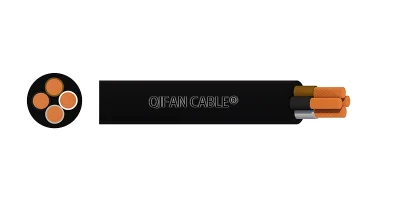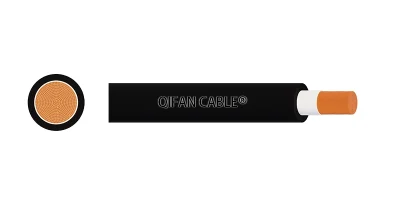
CU/PVC/PVC 0.6/1kV CU/PVC/CWB/PVC 0.6/1kV CU/PVC/CTS/PVC 0.6/1kV
Multicore PVC insulated PVC sheathed unscreened or copper wire braid screen or copper tape screen cable with copper conductor
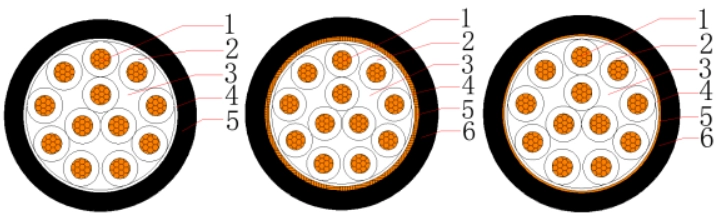
Application:
This product is suitable for AC rated voltage 0.6/1kV and below the control, monitoring loop and protection line, widely used in industrial and mining enterprises, energy transportation.Communication department, as well as all kinds of electrical equipment, instrumentation connection.
Standard:
- Cable design: IEC 60502-1
- Conductor: IEC 60228
Products Construction
- Conductor – Plain annealed class 2 stranded (compacted) copper
- Insulation – Polyvinyl chloride compound (PVC)
- Filler – Non-hygroscopic material(If need)
- Binder tape – Non-hygroscopic material tape
- Screen – copper wire braid or capper tape
- Outer sheath – Polyvinyl chloride compound (PVC)
Cross Section:
- 2 cores and above:1.5~10mm2
Temperature characteristics:
- Conductor operating temperature: -15℃~70℃
- Min. temperatrue laying condition: 0℃
Electrical Characteristics:
- Rated voltage: 0.6/1 (1.2) kV
- High voltage test: 3.5kV / 5min
Color:
- Insulation: According to customer requirements
- Outer sheath: Black or according to customer requirements
Technical Specification
| NO. OF CORES | NOMINAL CROSS SECTIONAL AREA (mm2) | NOMINAL THICKNESS OF INSULATION (mm) | NOMINAL THICKNESS OF OUTER SHEATH (mm) | NOMINAL OVERALL DIAMETER (mm) | NOMINAL WEIGHT (kg/km) |
| 2 | 0.5 | 0.4 | 0.8 | 5.4 | 41 |
| 2 | 0.75 | 0.4 | 0.9 | 6.1 | 52 |
| 2 | 1 | 0.4 | 0.9 | 6.5 | 60 |
| 2 | 1.5 | 0.4 | 0.9 | 7.1 | 74 |
| 3 | 0.5 | 0.4 | 0.8 | 5.8 | 51 |
| 3 | 0.75 | 0.4 | 0.9 | 6.4 | 65 |
| 3 | 1 | 0.4 | 0.9 | 6.8 | 76 |
| 3 | 1.5 | 0.4 | 0.9 | 7.5 | 98 |
| 3 | 2.5 | 0.5 | 1 | 9 | 146 |
| 4 | 0.5 | 0.4 | 0.8 | 6.2 | 64 |
| 4 | 0.75 | 0.4 | 0.9 | 6.9 | 82 |
| 4 | 1 | 0.4 | 0.9 | 7.4 | 96 |
| 4 | 1.5 | 0.4 | 0.9 | 8.1 | 122 |
| 4 | 2.5 | 0.5 | 1.1 | 10 | 190 |
| 4 | 4 | 0.6 | 1.2 | 11.9 | 283 |
| 4 | 6 | 0.65 | 1.3 | 13.5 | 386 |
| 4 | 10 | 0.75 | 1.5 | 17.1 | 630 |
| 4 | 16 | 0.75 | 1.6 | 20.4 | 910 |
| 4 | 25 | 0.9 | 1.8 | 24.4 | 1364 |
| 4 | 35 | 0.95 | 1.9 | 28 | 1814 |
| 5 | 0.5 | 0.4 | 0.8 | 6.7 | 77 |
| 5 | 0.75 | 0.4 | 0.9 | 7.4 | 97 |
| 5 | 1 | 0.4 | 0.9 | 8 | 116 |
| 5 | 1.5 | 0.4 | 1 | 9 | 152 |
| 5 | 2.5 | 0.5 | 1.1 | 10.8 | 228 |
| 5 | 4 | 0.6 | 1.2 | 12.9 | 332 |
| 5 | 6 | 0.65 | 1.3 | 14.8 | 457 |
| 5 | 10 | 0.75 | 1.5 | 18.7 | 749 |
| 5 | 16 | 0.75 | 1.7 | 22.6 | 1125 |
| 5 | 25 | 0.9 | 1.9 | 27 | 1683 |
| 7 | 0.5 | 0.4 | 0.8 | 7.2 | 93 |
| 7 | 0.75 | 0.4 | 0.9 | 8 | 121 |
| 7 | 1 | 0.4 | 0.9 | 8.8 | 148 |
| 7 | 1.5 | 0.4 | 1 | 9.7 | 191 |
| 7 | 2.5 | 0.5 | 1.1 | 11.7 | 290 |
| 12 | 0.5 | 0.4 | 1 | 9.6 | 154 |
| 12 | 0.75 | 0.4 | 1 | 10.4 | 193 |
Applicable Standards
Optional
Technical Parameters
FAQ
In fact, the control cable is a kind of cable used to transmit signals, automatic control and operation functions. The material used is mainly polyvinyl chloride with good insulation performance. It can be used in control and protection circuits with rated voltage below 450/750V.
The main difference between XLPE (Cross-Linked Polyethylene) and PVC (Polyvinyl Chloride) cables is their thermal and physical performance. XLPE is a thermosetting material that can operate at 90°C and withstand higher short-circuit loads (250°C), making it ideal for heavy-duty industrial and high-voltage uses. PVC is a thermoplastic rated for 70°C and suits basic, low-voltage residential wiring
A control cable is used to transmit low-voltage signals, commands, and data between automated machinery, control panels, and monitoring devices. Unlike heavy power cables, they act as a system’s “nervous system”, regulating processes like starting motors, adjusting valves, and operating robotics without carrying high electrical loads.
Power cables transmit high-voltage electrical energy to loads like motors and transformers. Conversely, control cables carry low-voltage commands and feedback signals (such as start/stop commands) to regulate electrical equipment.
However, a key limitation of PVC cable properties is their thermal and chemical resistance. PVC cable temperature rating typically maxes out at 70°C to 90°C. Exceeding this limit can lead to material degradation, brittleness, and a loss of insulation integrity over time.
Yes, PVC (polyvinyl chloride) is an excellent electrical insulator. Its molecular structure prevents free electrons from moving easily, which restricts the flow of electrical current. Because of its durability, flexibility, and flame retardancy, it is widely used to coat electrical wires, cables, and switches.