AS/NZS 1429.1
Electric cables — Polymeric insulated, Part 1: For working voltages 1.9/3.3 (3.6) kV up to and including 19/33 (36) kV
AS/NZS 1429.1 is the joint Australian and New Zealand national standard for medium voltage polymeric insulated power cables, with the widely adopted version AS/NZS 1429.1:2006.
Standard Rated Voltage Levels U₀/U (Uₘ)
1.9/3.3(3.6) kV; 3.8/6.6(7.2) kV; 6.35/11(12) kV; 12.7/22(24) kV ; 19/33(36) kV
Primary insulation materials:
XLPE (Cross-Linked Polyethylene, standard) and optional EPR (Ethylene Propylene Rubber).
Available constructions:
- Single-core screened cables, three-core individually screened cables;
- Optional armouring, water-blocking, LSZH, anti-termite structures.
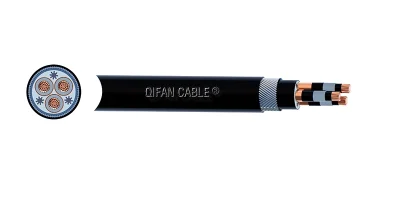
Cable Structure Code Definition
- Cu: Copper conductor
- Al: Aluminium conductor
- XLPE: Cross-linked Polyethylene insulation
- EPR: Ethylene Propylene Rubber insulation
- CS: Copper tape screen
- WS: Copper wire screen
- SWA: Steel Wire Armouring (for 3-core cables)
- AWA: Aluminium Wire Armouring (for single-core cables to avoid eddy current heating)
- PVC: PVC outer sheath
- HDPE: High-density Polyethylene sheath
- LSOH: Low Smoke Zero Halogen sheath
- WB: Water-blocked longitudinal structure
- Nylon / PA12: Polyamide 12 anti-termite sheath (physical barrier against termite erosion)
Typical Cable Models (Standard & Anti-Termite Type)
Single-Core Cables
- Standard non-armoured: Cu/XLPE/CS/HDPE, Al/XLPE/CS/LSOH
- Standard AWA armoured: Cu/XLPE/CS/AWA/HDPE
- Anti-termite non-armoured: Cu/XLPE/CS/Nylon/HDPE, Al/XLPE/CS/Nylon/LSOH
Three-Core Cables
- Standard non-armoured: 3Cu/XLPE/CS/HDPE
- Standard SWA armoured (general project type): 3Cu/XLPE/CS/SWA/PVC, 3Cu/XLPE/CS/SWA/LSOH
Water-blocked + Anti-termite Composite Structure
- Water-blocked + anti-termite: Cu/XLPE/CS/WB/HDPE/NY/HDPE
Conductor Cross-Section Range
- 1.9/3.3kV & 3.8/6.6kV: 16 mm² ~ 630 mm²
- 6.35/11kV & 12.7/22kV: 25 mm² ~ 800 mm²
- 19/33kV: 50 mm² ~ 1000 mm²
Selection & Application Guidelines
- The 6.35/11kV 3-core SWA cable is the most widely used type for public distribution networks in Australia and New Zealand.
- AWA armouring is preferred for single-core AC cables to prevent eddy current overheating.
- LSOH sheath cables are applied in densely populated areas such as tunnels, commercial buildings and rail transit systems for fire safety.
- The PA12 nylon anti-termite layer adopts a physical barrier protection method , which effectively resists termite biting and is suitable for direct burial in tropical and subtropical termite high-incidence areas in Australia.
- Metallic shielding is mandatory for all medium-voltage cables complying with AS/NZS 1429.1 to ensure qualified partial discharge performance and safe grounding operation.
- The PA12 nylon anti-termite structure is an optional enhanced configuration for cables, which shall be clearly specified in technical specifications and purchase orders.
Need help?
WhatsApp:
Email:
Leave a Message
Please provide your contact details.
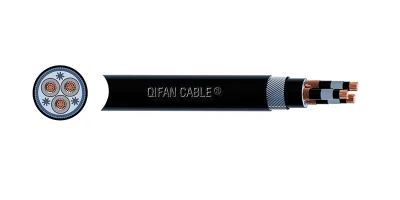
AS/NZS 1429.1 Cable
FAQ
Answers To Your Most Common Questions
Find quick answers to common questions below.
Answer:
Northern Australia (Queensland, Northern Territory, Western Australia) has highly aggressive subterranean termite species. Australian utilities prefer Polyamide 12 (Nylon 12) physical barrier construction for two core reasons.
PA12 features high hardness and smooth surface; termite mandibles cannot grip or penetrate the layer, delivering long-term stable protection without chemical agents.
Chemically impregnated anti-termite sheaths face growing OH&S and environmental concerns in Australia. Chemical additives may leach into soil, degrade over decades, and many asset owners restrict their use.
Important note: AS/NZS 1429.1 does not mandate nylon sheath; it is an industry accepted optional enhanced structure for direct-buried non-armoured cables in termite high-risk zones.
Can we add nylon anti-termite sheath to SWA / AWA armoured AS/NZS 1429.1 cables for extra protection?
Answer:
SWA (3-core steel wire armouring) and AWA (single-core aluminium wire armouring) provide inherent mechanical and biological barrier against termite penetration. Termites cannot bite through metallic armour.
Adding an extra nylon layer to armoured cables increases cable outer diameter, weight, cost and minimum bending radius, with no functional benefit.
Market standard rule: Nylon anti-termite layer is only applicable to non-armoured AS/NZS 1429.1 medium voltage cables. If termite resistance is required for armoured circuits, metallic armour alone satisfies client specifications.
What is the standard layered structure for AS/NZS 1429.1 non-armoured cable with nylon anti-termite sheath?
Answer:
Standard construction sequence (from inside out):
Conductor → XLPE/EPR insulation → Metallic screen (CS) → Inner sheath → PA12 Nylon anti-termite barrier layer → Sacrificial outer sheath (HDPE / LSOH / PVC).
The outer HDPE/PVC/LSOH sheath acts as sacrificial protection to avoid scratching or damaging the thin nylon layer during transportation, pulling and installation.
Typical cable designation example: Cu/XLPE/CS/Nylon/HDPE.
This construction is widely adopted by Australian local cable manufacturers and accepted by major utility network owners for direct-buried non-armoured circuits in termite-prone regions.
Get In Touch
Let’s Build Something
Together.
Our team of multilingual sales professionals and technical specialists are on hand to support you with your cable projects, from specification through to installation. Please use the contact details below to get in touch.
Quick Link