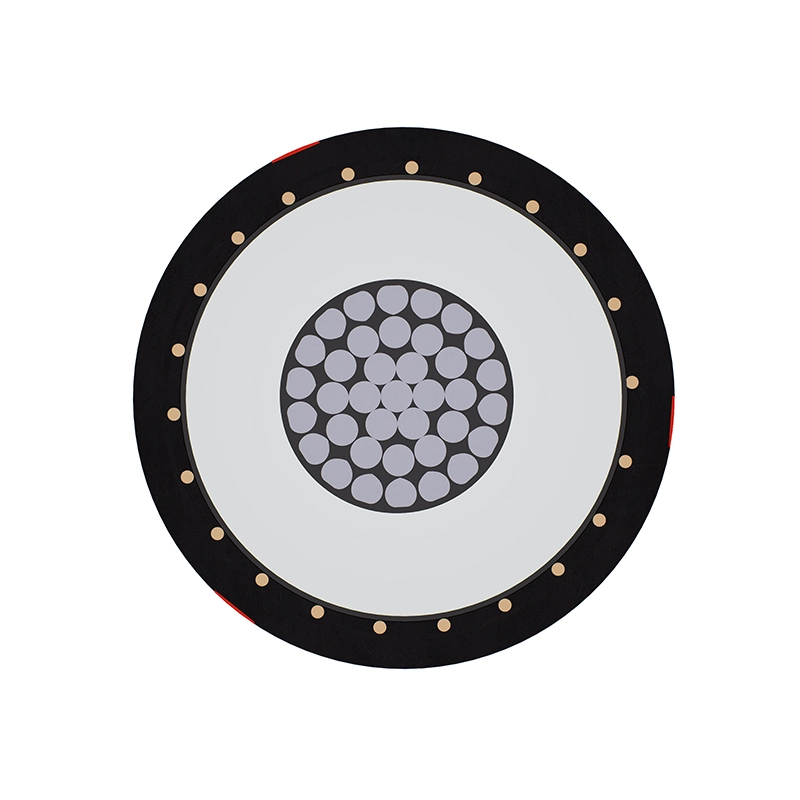
Application
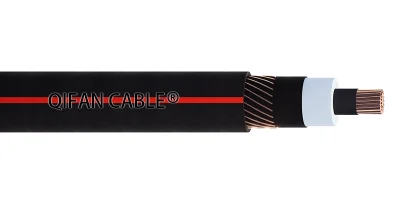
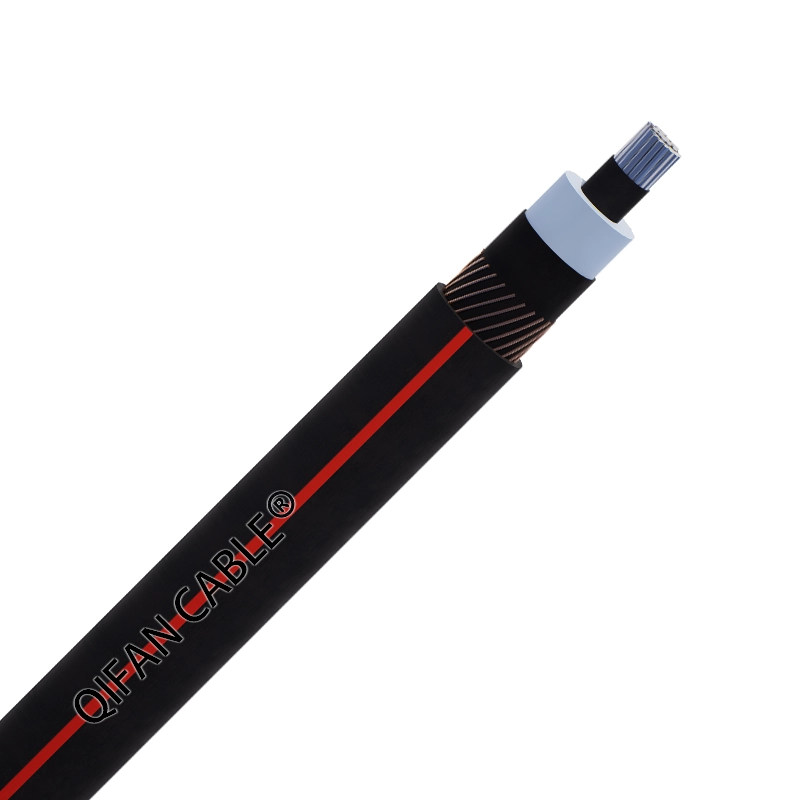
XLPE or TR-XLPE or EPR Insulated single core concentric neutral cables rated 5 to 45KV which are used for the transmission and electrical energy. distribution of electrical energy.
Characteristics
- Voltage Rating: 5kV
- Max. conductor temperature in service 90 °C
- Max. Short time overload temperature(2 h)130 °C
- Maximum conductor short time temperature 250 °C
- Bending factor when laying
- 20 x D single core cable
- Neutral size: Full
Products Construction
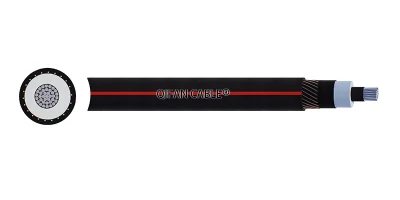
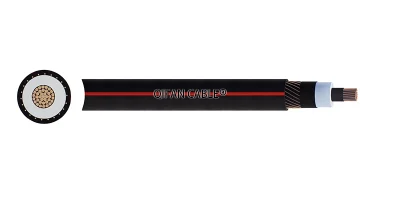
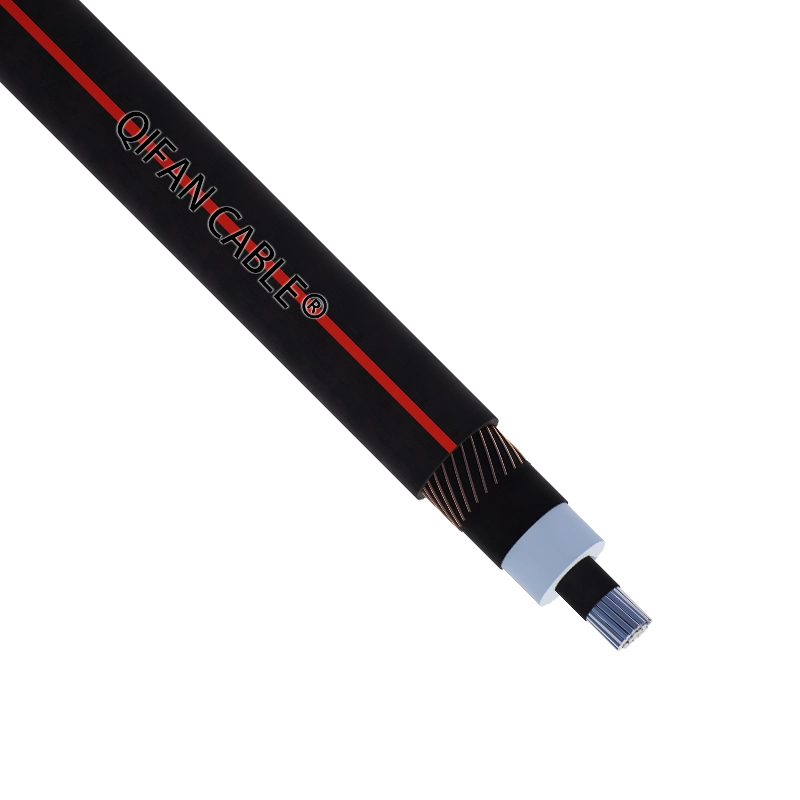
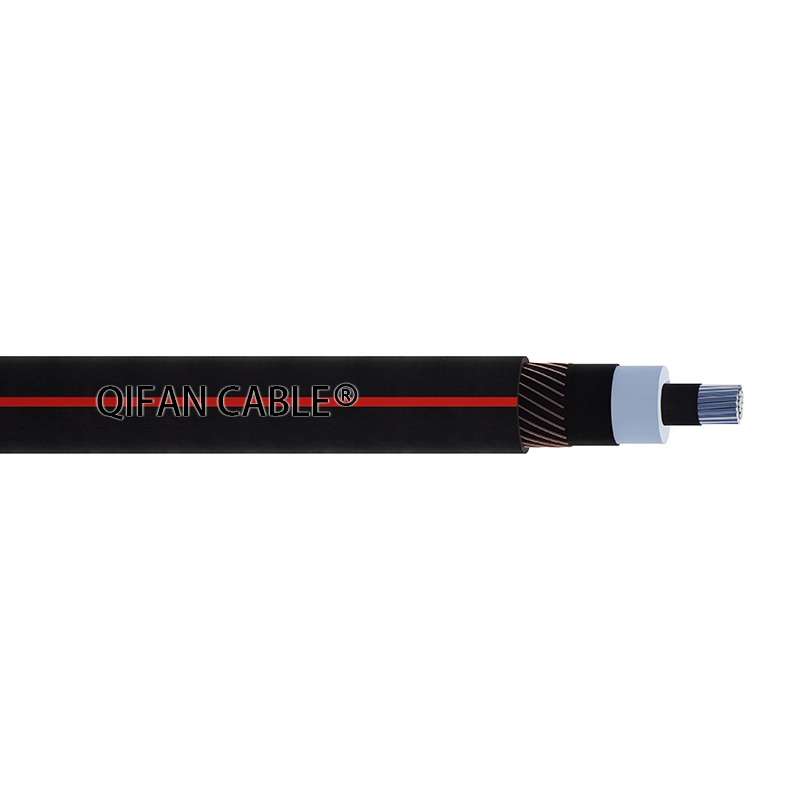
• Conductor: Stranded Compacted Copper, Class B Conductor
• Conductor Shield : Semi-conductor XLPE Compound
• Insulation: XLPE Insulation
• Insulation Shield: Semi-conductor XLPE Compound
• Concentric neutral wire: Round Annealed Copper Wire
• Outer sheath : Extruded to fill LLDPE
Applicable Standards
Optional
Technical Parameters

FAQ
Concentric cables are primarily used by utility companies and electricians to connect the main power grid to residential properties and buildings. Their unique design surrounds the central “live” conductor with the neutral and earth wires, preventing tampering and offering superior protection against accidental damage and shock.
MV-90 and MV-105 are classifications for medium-voltage (MV) power cables, where the numbers designate their maximum continuous conductor operating temperatures:
and respectively.
Concentric neutral cables use a central phase conductor wrapped in a layer of bare wires that act as the neutral. They are widely used for underground power distribution and service entrances because they provide an excellent ground fault return path, balance electrical stresses, and shield the center conductor for safety.
At its heart, a concentric cable is an electrical cable defined by its unique, layered construction. Think of it like the rings of a tree trunk. It features a central “live” or “phase” conductor that is wrapped in a layer of high-grade insulation.
What’s the difference between a concentric neutral and a tape shield on MV cable? A concentric neutral consists of spiraled bare copper strands designed to carry ground fault current, while a tape shield is a flat copper or aluminum tape for electrostatic shielding only. They require different grounding practices.
No, you can only tie the neutral and ground wires together at your main service panel (where your utility power enters the building). Connecting them anywhere else (like in an outlet, light switch box, or subpanel) is an electrical code violation and creates severe shock and fire hazards.